
40 Years of Campaign Achievements
Southern Forests
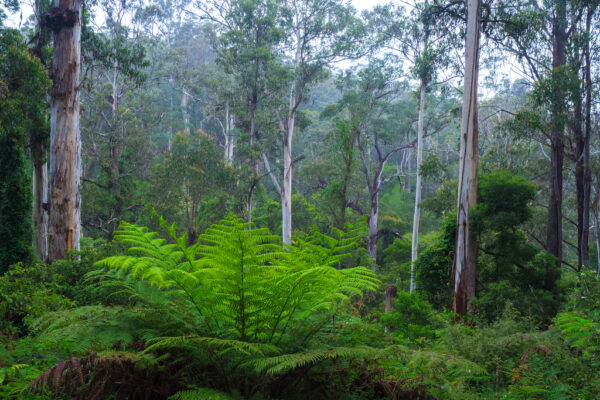
From its beginning in 1981 to the mid 1990s and then sporadically after that, the Conservation Council actively supported the fight to protect the forests in south eastern NSW from logging. We did this through direct involvement, lobbying in the ACT, supporting of regional members as well as our membership of the South East Forest Alliance. It was a campaign of gains and losses but did ultimately see the establishment and expansion of national parks in the South East.
Firewood
In 1990 an educational and advocacy campaign began to influence the community’s understanding of where firewood was sourced from (often threatened ecological communities on cleared farmland) and the impact of smoke from wood fires on the health of ACT residents. It was a starting point that would influence future reforms in respect to firewood regulation and the use of wood heaters in the ACT.
The Gungahlin Drive Extension
The Gungahlin Drive Extension (GDE) is also known as the John Dedman Parkway (JDP) Extension. The campaign in the 1990s that significantly raised the profile of the Conservation Council, including through protests and arrests of protesters, focussed on the ecological impacts of the construction of the JDP on Black Mountain and the Bruce, O’Connor and Aranda Ridges. The Council worked with member groups (particularly Friends of Aranda Bushland, Australian Conservation Foundation and Pedal Power) and the broader community based group Save the Ridge. This was a time that the Council was focussed on transport in the ACT and had produced in 1997 a blue print for transport Canberra at the Crossroads, which is referenced in the Assembly’s enquiry into the JDP.
North Gungahlin
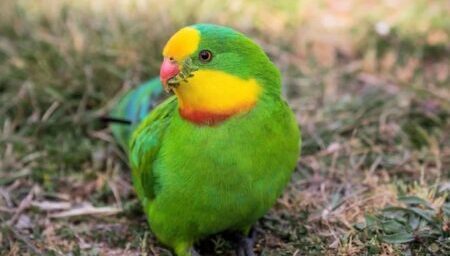
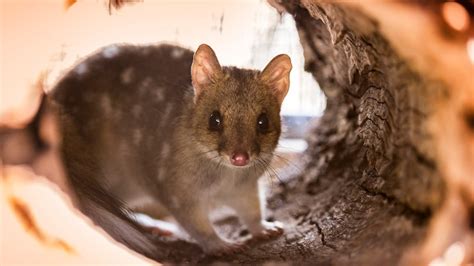
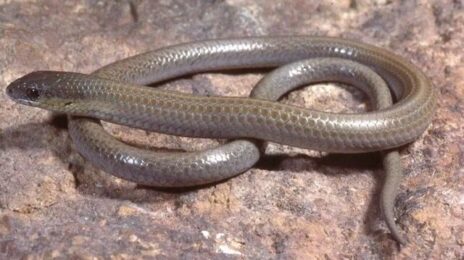
The ACT Government proposed plans for North Gungahlin that would have seen a significant reduction in the lowland grassy woodland habitants across the north of the ACT. From 1992 the Council worked with member groups (particularly Canberra Ornithological Group (COG), Field Naturalists, Society for Growing Australian Plants and National Parks Australia ACT (NPA ACT) to reduce this impact and this resulted in the creation of the Mulligans Flat Nature Reserve. However, the campaign continued as suburbs rolled out and another significant win was the removal of the northern section of Throsby from proposed development. This significantly improved the viability of Goorooyaroo Nature Reserve and its connection to Mulligans Flat. Another associated success was the movement of the Gungahlin Town Centre to protect the striped legless lizard (Delma impar) habitat .
Cat Containment
A long term campaign, since 2000, to influence government and the community on the need for cat containment has seen the creation of cat containment suburbs and a plan to achieve this across the ACT. Key member groups have been Canberra Ornithological Group, Friends of Grassland (FOG) and National Parks Australia ACT.
Weeds
This campaign was initially driven by the Society for the Growing of Australian Plants and led to the Council in 1990 having a dedicated Weeds Officer who helped produce a comprehensive analysis of weed threats in the ACT. It led to changes in the plants being stocked by ACT nurseries and influenced the ACT Weeds Strategy.
Fire Response
The 2003 bushfires led to significant actions by the Council and its member groups to ensure that responses to the effects of this disaster considered the environment in any subsequent actions and strategies. It led to the Council being a representative on the ACT Bushfire Council where its presence had many positive impacts for the environment and meant that the Council was not only across but influenced bushfire management issues.
Kama Woodlands
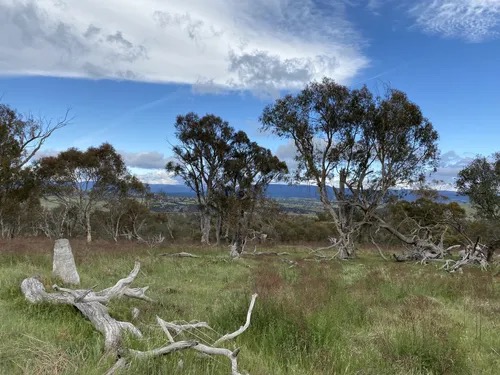
Kama Nature Reserve is a key connectivity reserve in the ACT as it connects The Pinnacle Nature Reserve to the Molonglo River corridor. The development of the adjacent suburb of Whitlam threatened to impact the viability of this reserve. In the late 2020s the Council and member groups (COG, FOG and NPA) lobbied to ensure that a suitable buffer zone was established between the reserve and the suburb. While the best possible protection was not achieved, the outcome was a significant improvement and is seen as a success.
Coombs Peninsula
The planning for the suburb of Coombs always included a narrow parcel of proposed development that extended from the main body of the suburb into the Molonglo River Corridor Reserve. This development increased the bushfire hazard reduction measures required in the reserve and reduced the reserve’s viability. From 2000 the Council maintained a constant long term lobbying campaign that finally saw the rezoning of this area to make it part of the Molonglo River Reserve in 2025.
Cool Communities
The Council was the national coordinator for the Australian Government’s Cool Communities program starting in 2000. It coordinated the dissemination of the program across Australia in association with State conservation councils providing information about how individuals and communities could take action to reduce their carbon footprints. It ran for several years and showed that the ACT could be a major contributor to combatting carbon impacts. The Council’s role in fighting climate change was later highlighted by its nationally recognised Make the Switch programs.

Greenhouse Gas Targets
The Conservation Council successfully lobbied the then Liberal ACT Government to be the first Australian jurisdiction to announce greenhouse gas reduction targets in 1997. It was the start of the ACT being a leader in reducing greenhouse gas emissions. With continuing Council and community lobbying the following Labor government has prepared a number of climate change strategies and updates of the targets.
Mulligans Flat Reserve
https://www.mulligansflat.org.au
Light Rail
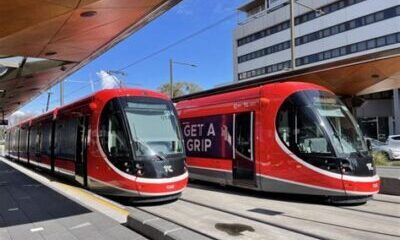
The Conservation Council lobbied members of the ACT Legislative Assembly for the better part of a decade to set up a light rail system in Canberra, starting with Gungahlin. We wanted this instead of a road through Canberra Nature Park (Black Mountain and O’Çonnor Ridge). Sadly we lost the battle for the road but eventually the ACT Government built the first stage of the light rail system from Gungahlin to Civic which commenced operation in 2019.
Residential 2-bin System
The Conservation Council and member groups successfully lobbied for the introduction of a separate yellow bin for recyclables (paper, cardboard, plastic, glass) in 1994.