
H5 bird flu in Australia and the ACT
In June 2026, H5 avian bird flu made its entrance into Australia. Since then 551 positive events have been reported. Although H5 bird flu has not been detected in the ACT yet, it’s important to be aware of the possibility and know how to react properly. Always report signs of bird flu. If you see sick or dead birds:
- Avoid direct contact and keep pets away
- Record what you see and where
- Report immediately to the 24-hour Emergency Animal Disease Hotline on 1800 675 888 or by filling out the smart form: Report sick or dead wild birds.
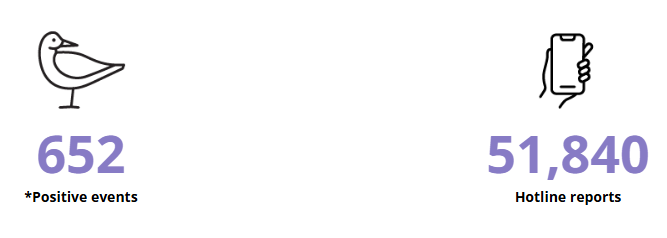
* Data current as of 25 September 2026. Reporting is based on events, rather than individual detections. Visit the government’s Latest Event Data page for the most recent numbers.
Learn more about the H5 bird flu through some frequently asked questions answered below. This information is meant as guidance. When in doubt, always follow the guidelines published on birdflu.gov.au and/or act.gov.au.
What is H5 bird flu?
Bird flu or avian influenza is a type of virus that mainly affects birds. It can also affect other animals and, on rare occasions, humans. The virus occurs in different strains, either with low pathogenicity or high pathogenicity. The highly contagious H5 strain (officially H5N1 clade 2.3.4.4b) has spread fast around the world and has caused severe disease and high death rates in poultry, wild birds and affected mammals. The wild birds that are most affected include waterfowl, shorebirds, seabirds and birds of prey or scavengers.
What is the difference between H7 and H5 bird flu?
The newly arrived H5 bird flu is a different strain of virus than the H7 (H7N9) strain that has caused multiple serious outbreaks in Australia in the past, and the H5 and H7 strains are unrelated. The H7 bird flu has been successfully contained and eradicated several times over the past 50 years, demonstrating the strength of our established national response arrangements.
What is the current global and Australian status of H5 bird flu?
H5 bird flu is a highly pathogenic strain and has spread fast around the world. It has now been identified on every continent. Overseas, not only birds are severely affected, but the virus has also been detected in domestic pets (including cats and dogs), farm animals (including dairy cows), marine mammals (including dolphins and seals) and wild animals (including foxes).
The H5 strain entered Australia in June 2026 through migratory seabirds and has since spread throughout multiple states. Most positive events have been recorded in South Australia reaching over 300. So far, H5 has not been detected in the ACT.
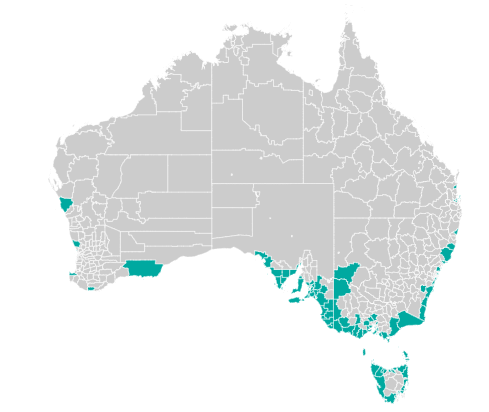
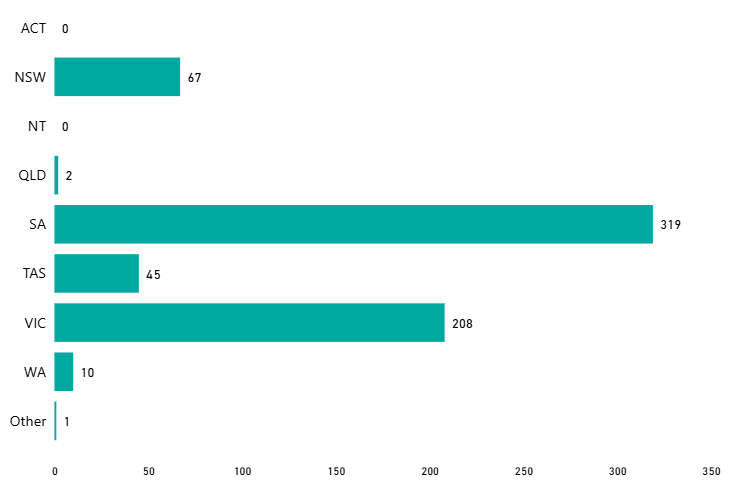
Left: recent spread map. Right: positive events by state or territory. Data updated on 25-9-2026. Visit the government’s Latest Event Data page for the most recent maps and numbers.
How can I recognize H5 bird flu?
Birds infected with the virus can show a range of signs from no obvious signs to sudden death. Keep watch for signs of bird flu, they include (but are not limited to):
Wild birds
- can’t stand, walk, or fly properly
- droopy or puffed-up appearance
- breathing problems (panting or sneezing)
- unusual head or neck posture
- sudden death (especially in large numbers)
Poultry (chickens, ducks, etc.)
- sudden drop in egg production
- lethargy or not eating/drinking
- swollen head or limbs
- bruising on comb, feet, or skin
- breathing issues or runny nose
- sudden death
Mammals (seals, cows, cats, etc.)
- weakness or tiredness
- trouble walking or breathing
- seizures, tremors or walking in circles
- drooling or runny nose
- breathing issues or runny nose
- sudden illness or death
Remember, even if you’re unsure, if you see sick or dead birds: Avoid, Record, Report.
Am I at risk of getting infected?
The current risk to people in Australia is low, and the country is well prepared to respond if needed. Bird flu rarely spreads to people as transmission usually requires close contact with infected birds, other infected animals or contaminated environments. Spread between people is also very rare.
The risk of H5 bird flu to people is regularly assessed by The Australian Centre for Disease Control.
I am a bird owner, should I take measures?
The most important action is to keep watch for signs of bird flu and report if needed. In addition you can protect you birds by:
- keeping equipment and enclosures clean
- preventing contact between your birds and wild birds
- keeping food and water clean
- practicing good hygiene
- limiting visitor access
- quarantining new birds
What is being done in Canberra?
Canberra Birds is an effective and influential organisation that conducts bird surveys, supports research and actively puts its case for bird conservation to government and other organisations. The organisation is aware of the H5 situation and monitors our birds closely to detect any signs of H5 bird flu rapidly.
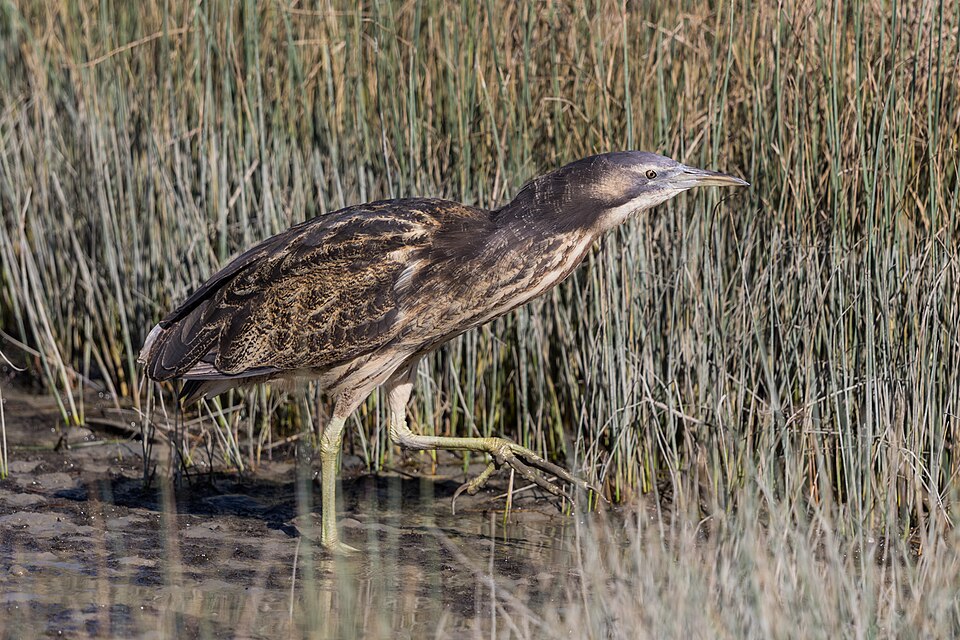
The Australasian Bittern, one of the threatened species found in the Murray-Darling Basin and ACT. By Imogen Warren – Own work, CC BY-SA 4.0, https://commons.wikimedia.org/w/index.php?curid=132850477
As waterbirds are affected most, this includes vulnerable populations in the Murray-Darling Basin. The Basin is the feeding and breeding heartland for many migratory and wetland bird species. These birds are already under immense pressure from habitat destruction and changing water conditions. The spread of H5 bird flu in these wetlands (such as Jerrabomberra wetland in Canberra) would pose a serious additional threat to already vulnerable waterbird populations. Unfortunately, H5 bird flu has hit the Basin, increasing the urgent need for emergency wetland restoration, environmental water delivery and wildlife resilience measures. Continue reading to see what you can do to help.
What can I do to help?
Australia’s birds need stronger protection from H5 bird flu. Healthier bird populations have a better chance of surviving and recovering from an outbreak. There are different ways to help protect our birds from H5 bird flu.
BirdLife Australia and the Murray Darling Conservation Alliance are calling on the Australian Government to invest $200 million in an urgent nature resilience package to strengthen wildlife resilience. You can help by calling on decision makers to support an urgent nature resilience package to strengthen wildlife populations and improve preparedness for H5N1 bird flu by following this link.
You can also donate directly to help protect Australia’s birds. Your gift will help BirdLife Australia protect and restore the habitats birds need, reduce other threats, strengthen the resilience of vulnerable bird populations, and support monitoring and conservation action.
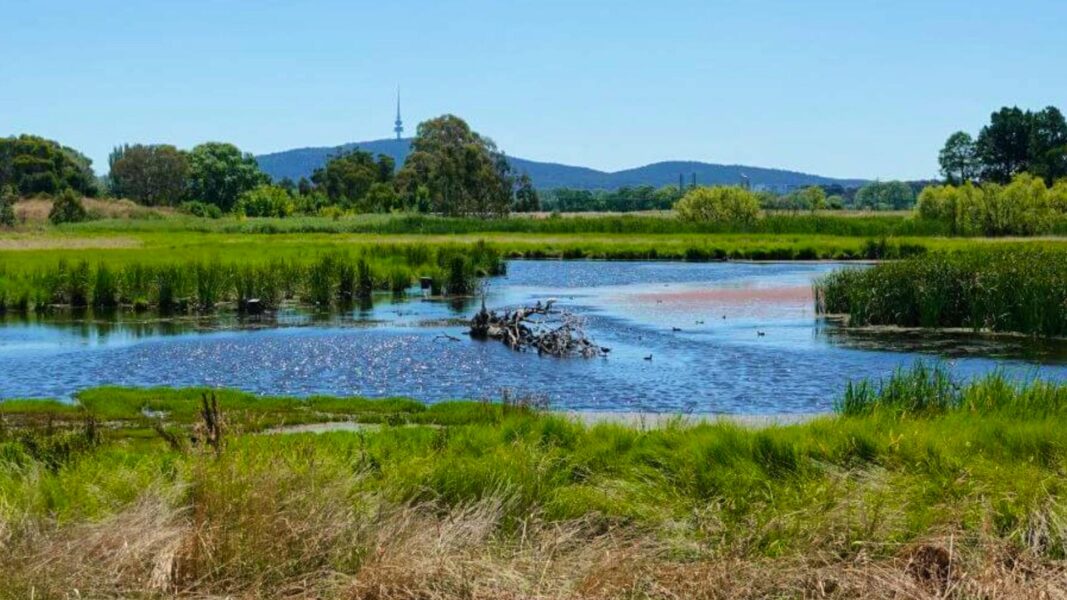
Jerrabomberra Wetlands Nature Reserve, one of the ACT’s most significant wetland habitats. Image from https://visitcanberra.com.au/attractions/686dc421f7326406770efbd6/jerrabomberra-wetlands-2