
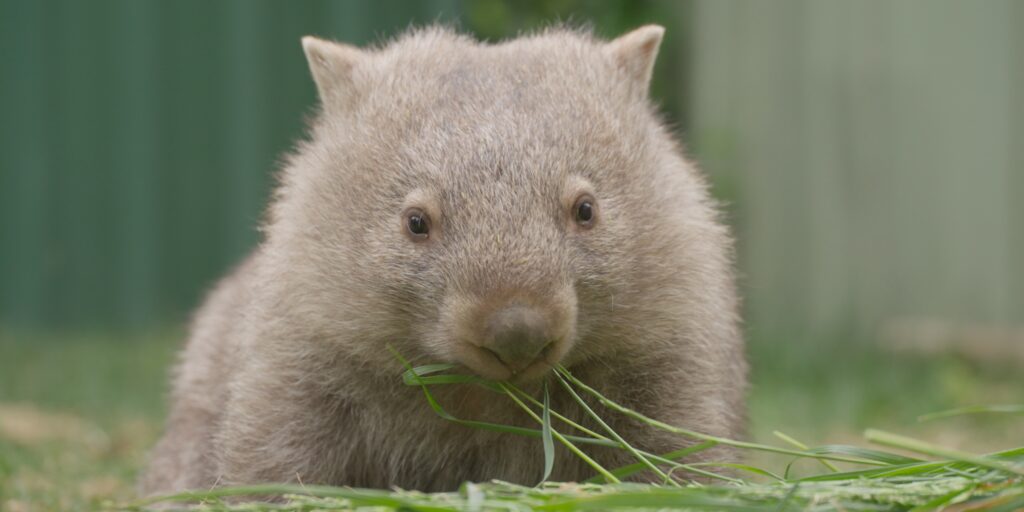
Good news for wombats in the ACT! On 22 July 2026, the Minister for Climate Change, Energy, the Environment and Water, Suzanne Orr MLA, confirmed that the ACT Government has no current intention to declare wombats a Controlled Native Species or to pursue lethal population management practices.
In 2025, the Conservator of Flora and Fauna published the draft technical paper Managing wombats: A review of current practice, issues and challenges to inform wombat management in the ACT. This report suggested common or bare-nosed wombats (Vombatus ursinus) be declared a Controlled Native Species in the ACT, which could allow for the use of lethal measures to manage their population.
In its response to the paper, the Conservation Council strongly rejected the need for a Controlled Native Species Management Plan and urged the ACT Government to adopt a non-lethal, evidence-based management approach for wombats. We noted there was little evidence of a wombat population increase in the ACT, nor of the widespread property destruction the report claimed.
We advocated for:
- Non-lethal management strategies — including wombat gates, burrow marking, burrow flaps for delivering mange medication, and targeted habitat management in high-conflict areas — all of which have proven effective where implemented;
- Expanded pilot programs involving farmers, wildlife carers, and community volunteers to monitor and manage wombat populations;
- Evidence-based policymaking, grounded in accurate, up-to-date science rather than anecdotal reports; and
- Greater community education about wombat ecology, reproductive cycles, and the real consequences of lethal control.
The community made its voice heard. On the 27 May 2026, a petition with over 20,000 signatures was submitted to the ACT Government, urging a reconsideration of the draft paper’s recommendation.
Fortunately, the Government listened. In a response to the petition, the Minister confirmed that the Conservator has no current intention to declare wombats a Controlled Native Species, effectively ruling out lethal management in the ACT, a decision now on the public record. In its response, the government also recognised the “important ecological role” wombats play in the Territory’s environment.
This is great news for wombats across the ACT! The Conservation Council welcomes this development and extends its thanks to everyone who spoke up for the ACT’s wombats, including ACT Wildlife and Wombat Rescue, among many others.
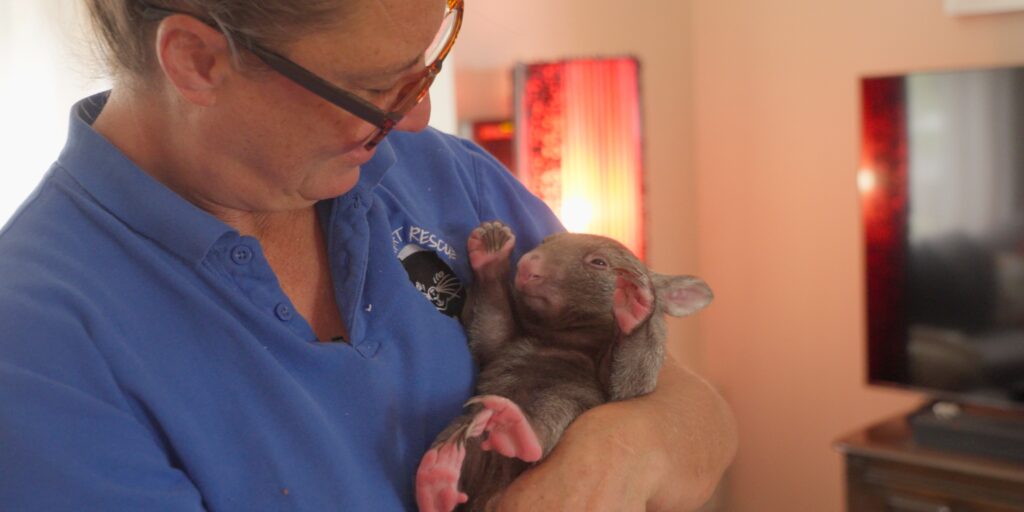
Image Credit: Trent Houssenloge