
In good news for conscious consumers, soft plastics recycling has returned once again to supermarkets across Australia. With the end of the REDcycle soft plastics recycling scheme in November 2022, for nearly four years we have had little choice but to dispose of any unwanted soft plastics in landfill.
The new soft plastics recycling trial is being run by the Soft Plastics Stewardship Australia (SPSA). SPSA is an independent not for profit taskforce that has received an eight year authorisation from the Australian Competition and Consumer Commission (ACCC) to run this trial. The SPSA collects levies from manufacturers and retailers based on the amount of consumer soft plastics they put into the market. The SPSA is working with local councils in some areas and major supermarkets as the collection points for soft plastics during the trial.
Here, in the ACT, you may have noticed the return of big green bags at the entrance of over 70 Woolworths stores throughout Canberra. In a welcome return for households, this means you can now drop off your soft plastics into these bins where they will be recycled, rather than end up in landfill or worse in the aquatic or land environment.
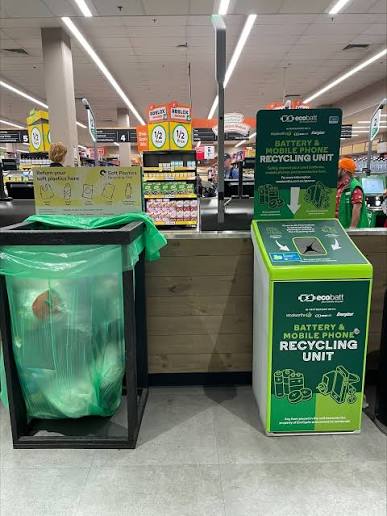
While the trial has been going in earnest since 2025 and there has been some publicity, the take up by consumers is still low compared to the capacity of the recycling infrastructure that has been put in place. The rates need to increase and we need your help to make it happen! So start collecting and dropping off of your soft plastics at these Locations for Collections – Soft Plastics Stewardship Australia.
SPSA is coordinating the process to collect soft plastics and work with recycling companies such as iQRenew, APR plastics and 3RG recycling to deliver the renewed soft plastics recycling program. SPSA is continuing to call for RFIs from interested parties to work with them to recycle the soft plastics in new and innovative ways including chemical recycling.
While some consumers are understandably wary following the collapse of the REDcycle scheme the oversight of ACCC should hopefully provide some guarantee that collected soft plastics will be recycled.
Over 40 manufacturers are with SPSA in displaying the Australasian Recycling Label (ARL) “drop off in store” on their packaging (SPSA brands). Meanwhile the legacy REDcycle logo is still present on some packaging and provides a good guide as to what can be recycled.
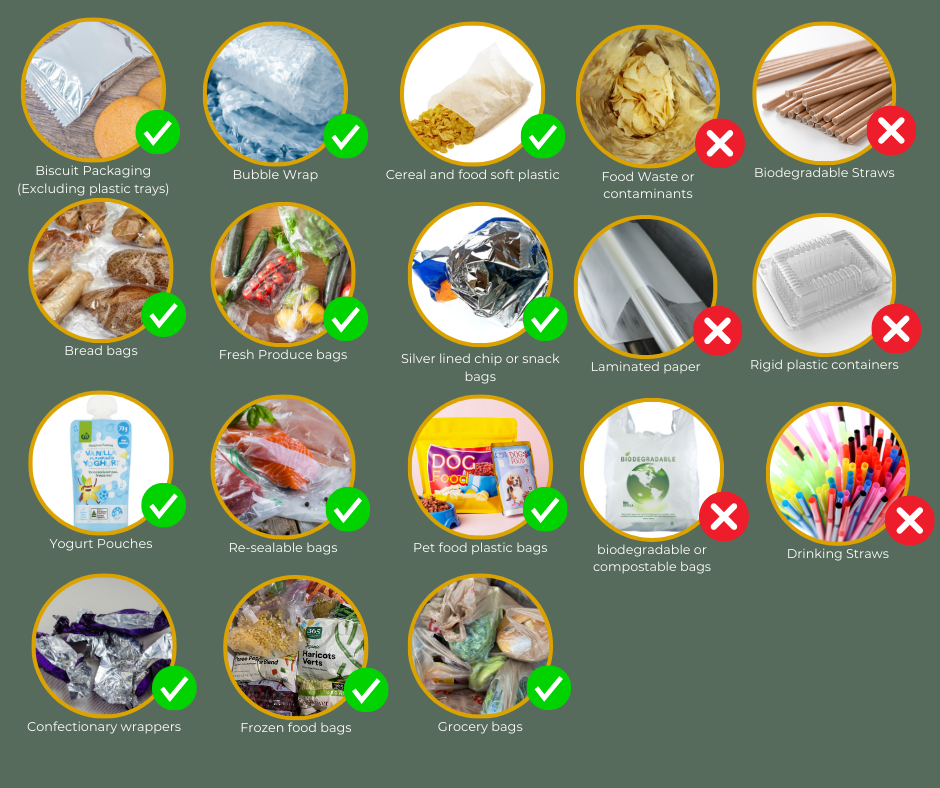
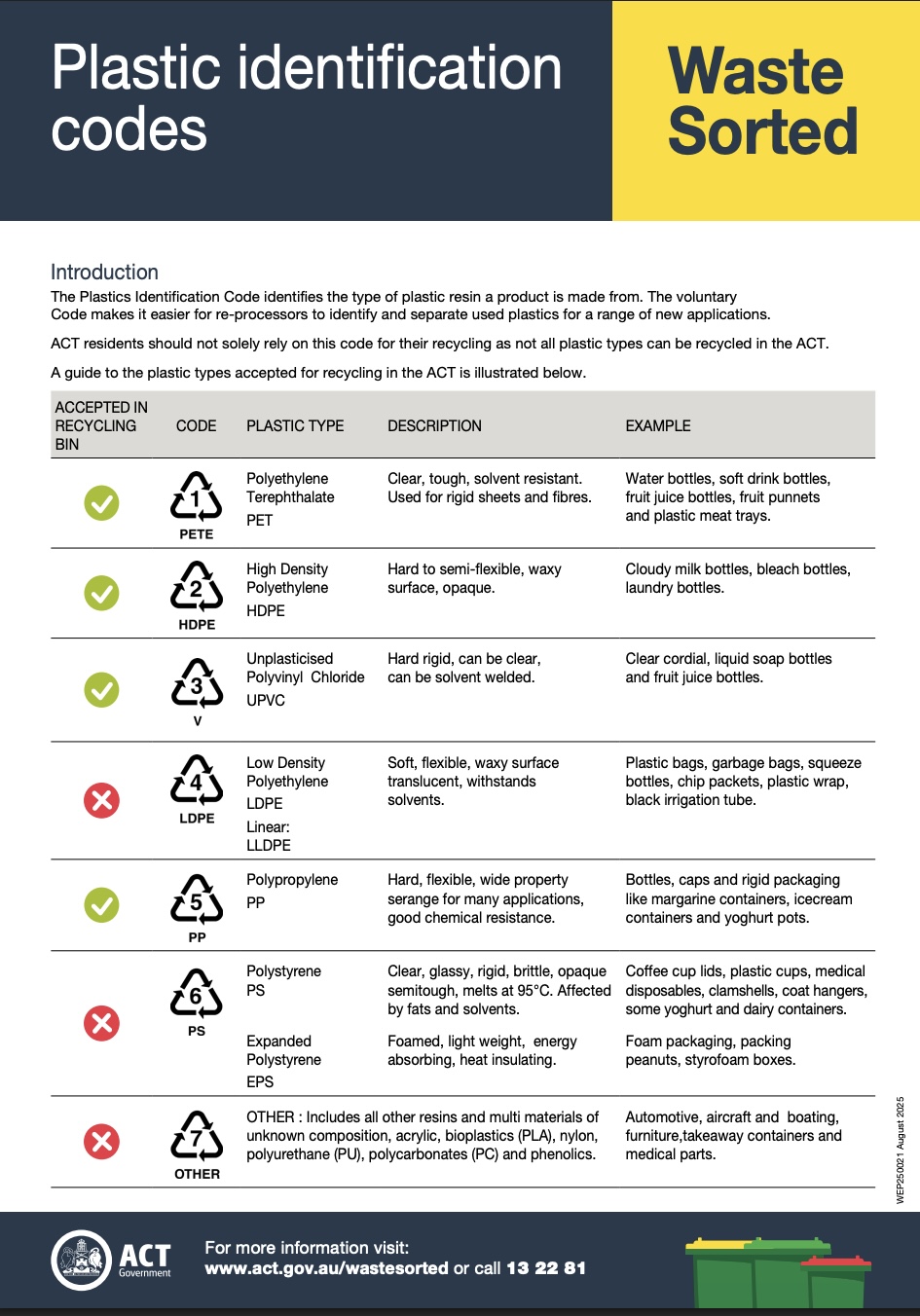
How to reduce soft plastics use
Of course the best solution is to try and avoid using soft plastics in the first place. While sometimes that is easier said than done, here are five tips to help you reduce your soft plastics usage.
- Remember your shopping bags. I know it’s easier said than done! Remembering to put them within easy reach can be hard. I have found that having a lightweight foldable bag in my handbag, keeping one in your glovebox, next to your bike, shoe cupboard or near your front door can also help jog your memory!
- Shop at farmer’s markets, produce markets, or choose package free whenever possible when buying fruit and vegetables. Do you really need to put your two zucchini in a plastic produce bag? I let mine mingle with all the other veggies in my trolley and then reusable bag. At home they get put in a reusable storage container! If I need to capture my beans or salad leaves (which I do) I use a reusable produce bag.
- Consider the packaging when shopping. Some brands come in excess plastic packaging, while others don’t. Try and choose the one that doesn’t.
- Online shopping can create so much soft plastic packaging – see if you can avoid it by buying in store when you can or buying from a brand that uses recyclable packaging.
- Shop local and support some of our amazing small businesses. They are usually dedicated to supporting the environment and happy to accommodate less or no packaging.
The soft plastics we are still using need to be recycled!
Recycling will:
- Reduce waste to landfill – DCCEEW estimates that soft plastics make up about 5 to 10 percent of general household waste in standard landfill bins and that about 90 percent of all soft plastics end up in landfill. Read more.
- Enable the plastic to be reused rather than going straight to landfill. According to the World Wildlife Fund, depending on the product, soft plastic takes between 20 – 500 years to break down in landfill.
- Protect Ecosystems – stops lightweight plastics from blowing into waterways, oceans, and the natural environment where they have the potential to harm the wildlife. According to a 2025 Boomerang Alliance report about 140,000 tonnes of plastic enters the Australian environment every year with packaging making up 58% of litter collected.
- Reduce greenhouse emissions (saves them breaking down in landfill). Recycled plastic products have a lower carbon footprint than plastic products made from virgin materials. Read more at Reground.