
This post was prepared by Conservation Council volunteer and Chair of the Transport Working Group, Bill Gemmell.
Unlike much of Australia, Canberra and its surrounding districts have four distinct seasons. Winter and summer can both be harsh, with large daytime temperature ranges: frosty winter mornings can become mild sunny afternoons, while hot summer days often cool quickly after sunset.
In Weston Creek, about 12 km south-west of Canberra City, these variations matter. The Bureau of Meteorology forecasts for the suburb are drawn from observations elsewhere in Canberra, where conditions can differ significantly, leaving residents without accurate local information to guide clothing, travel timing and decisions about going out.
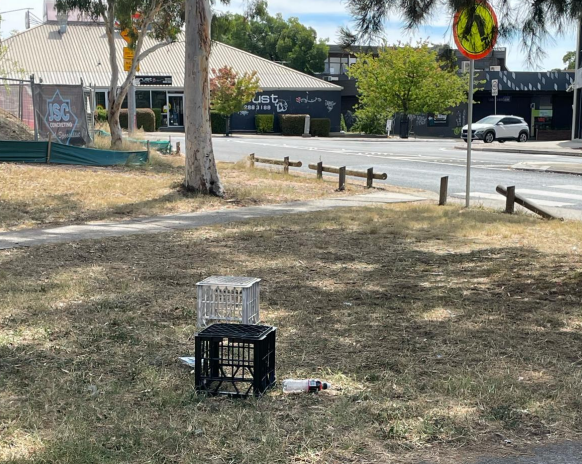
Centred around Cooleman Court, Weston Creek is home to many of the ACT’s older residents. Although bus services are frequent, stop locations and shelter are limited. Passengers place overturned milk crates under nearby trees and shrubs for makeshift protection from sun and heat.
CSIRO’s Canberra heat mapping exercise (conducted in 2017) reinforces the importance of shade and canopy cover: urban areas can be up to 10°C hotter by mid-morning and 8°C warmer than rural surrounds at night. Neighbourhoods with more than 30% canopy can be up to 13°C cooler, while roads, rooftops and carparks trap heat.
Local observations show the practical impact. In January 2024, analysis for a grant proposal found the concrete path near the bus stop (Image 1 below) often exceeded 40°C in mid-afternoon. Under a nearby remnant yellow box eucalypt (Image 2), temperatures were about 10°C lower and sunlight was filtered, demonstrating the value of shade for comfort and safety.
Mid-afternoon is also when older residents are likely to wait for buses home from medical appointments, social activities and shopping. Because the 2023–24 summer was relatively mild, future summers could pose greater heat exposure for vulnerable people.
The table below shows observations taken on 12 March 2024 at approximately 1.00pm:
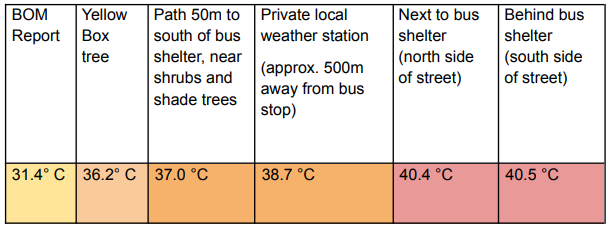
As these observations show, there is a clear need to maintain and increase the canopy cover of Canberra’s urban forest and provide adequate shelter at public transport stops, particularly to reduce heat-related impacts for vulnerable Canberrans.
With summer fast approaching, Canberran’s in western suburbs such as Weston Creek need a locally based weather monitoring station to provide accurate temperature information.
The Conservation Council’s Climate Working Group and Transport Working Group continue to advocate for a safe climate and sustainable transport options to the ACT and Commonwealth governments – click here to join today and make your voice heard.
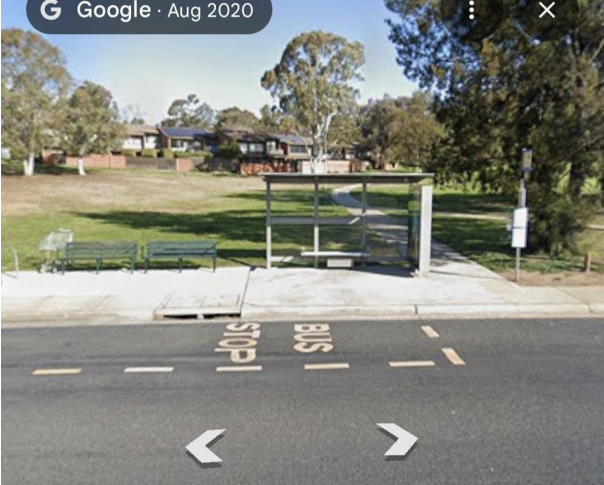
Image 1: August 2020 Bus stop image (sourced from Google Maps)
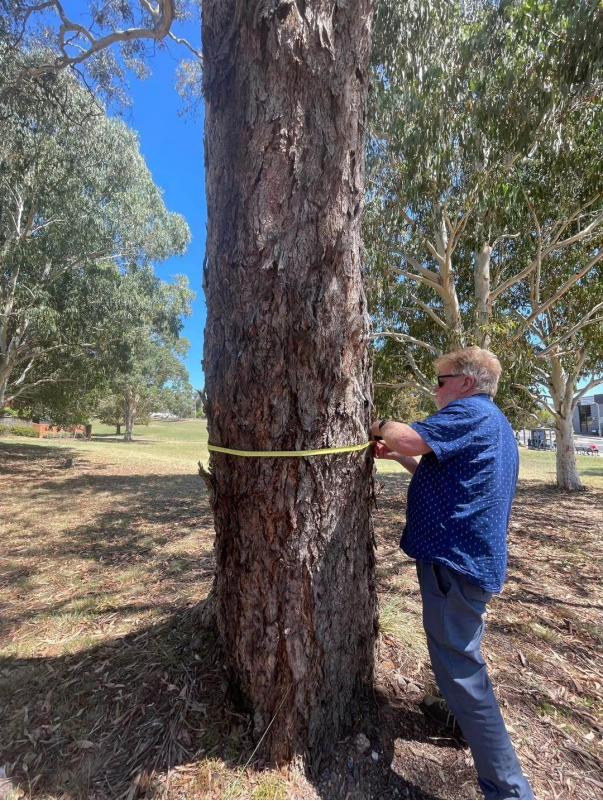
Image 2: Measuring the Yellow Box eucalypt tree girth, for purpose of estimating age