

What do we know about “Gula”, the Ngunnawal word for Koala, in and around Canberra?
Once abundant, Gula populations have fallen victim to extensive land clearing for agriculture during the 19th century, followed by urban sprawl in the 20th and 21st century.
The Koalas kept at Tidbinbilla are captive imports from the Otways, Victoria. They have different DNA from the Monaro Koala population.
A wild, natural group of Koalas lives in the southern part of Namadgi National Park.
Sightings in and near our city are reported rarely, only about every three years. It is assumed that these individuals are single males, moving long distances during the mating season in the warmer months.
There’s a chance that Canberra has an extremely low-density resident group or at least we might be able to revive one. Wouldn’t that be lovely (and great for tourism too)?
Gula is threatened by:
- Loss and fragmentation of remaining woodland habitat,
- disease,
- droughts, fires, climate change,
- dog attacks, invasive predators,
- vehicle accidents.
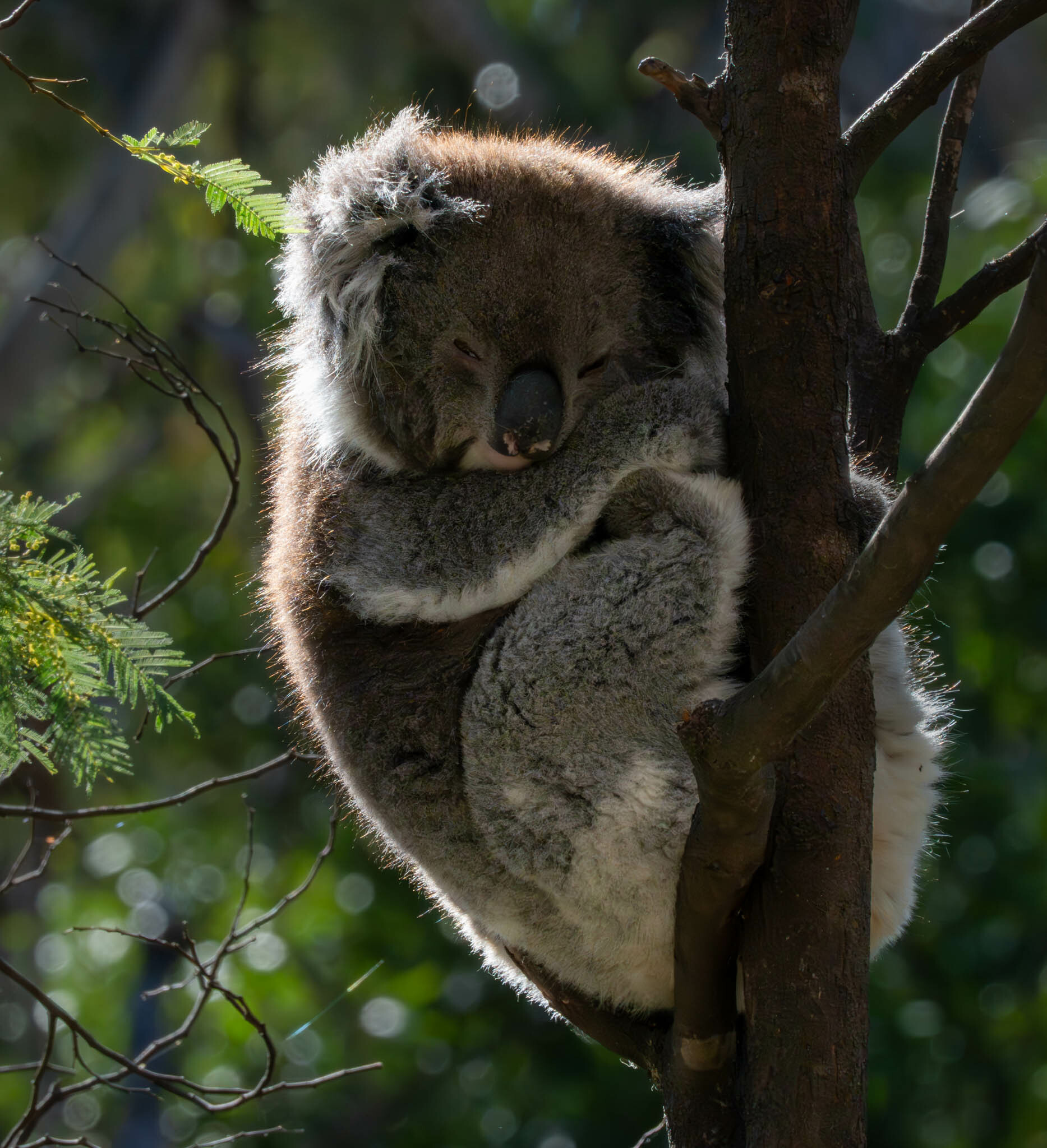
Gula is very hard to spot in the wild
More likely, you will come across scats (poo) on the ground.
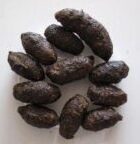
They’ll be scattered under a eucalypt tree, usually at less than a metre from the base, and need to be distinguished from possum scats which are nearly the same size and shape.
Photo provided by K. Joliffe
If you see one, please report it!
Report Gula using your own App and uploading  a photo and coordinates. View the iNaturalist Koala project or find out more about the I spy a Koala app.
Or report to:
- the ACT Government by phoning Access Canberra 13 22 81 or online
- ACT Wildlife 0432 300 033 (especially if injured)
- the Conservation Council ACT Region by emailing office.manager@conservationcouncil.org.au, or phoning 02 6229 3200 (part time) or contacting keith1947@hotmail.com, 0427 546 156 (Gula coordinator)
Post on Facebook: Canberra Region Koalas
With the support of expert volunteers, the Conservation Council ACT Region:
- will research the viability of local Gula habitat, in collaboration with the ANU,
- develop Gula policy in collaboration with the ACT Government to protect remaining and rehabilitate suitable Gula habitat,
- call on and engage with Ministers Cheyne and Orr to adequately resource the implementation of the Native Species Conservation Plan for Gula,
- develop and nurture a Gula network,
- and implement a public education program.
Gula Updates
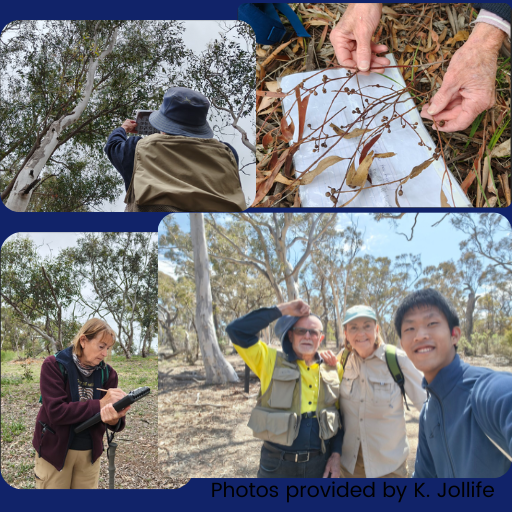
The Conservation Council’s Gula volunteers are conducting potential Gula habitat transect surveys each Wednesday.
They will meet at 10 am, weather permitting, to record tree species, sizes and other Gula habitat features for a few hours. This fieldwork is part of a 3-year collaborative study between Conservation Council and ANU to judge the viability of ACT woodlands as wild Gula habitat, to inform future policy.
If you are interested to get out and help with the recording, please email Grit (info@conservationcouncil.org.au).