
Nature Protection
As the 'Bush Capital' Canberra is home to some of the most amazing wildlife and landscapes in Australia. But the global crises of biodiversity loss, climate change, and pollution means that we have more to lose than ever before
Join Us in Working to Protect Our Beautiful Home
Over 100 Australian species are now listed as either extinct or extinct in the wild. Across the country, there are more non-native plants than native ones. Rivers, the lifeblood of inland landscapes like Canberra are drying up, and land is being cleared at alarming rates.
The ACT is not immune to this. Approximately 6.2% of Canberra’s mature trees have been removed in the past 5 years; our beloved faunal emblem, the Gang-gang Cockatoo is endangered; and our natural areas are at increasing risk of pest plants and animals.
CCACT Nature Policy Statements
The Biodiversity Working Group
The CCACT Biodiversity Working Group is chaired by Hugh Coppell and meets on the fourth Tuesday of the month at 5.30pm. The Biodiversity Working Group is open to anyone interested in biodiversity including member groups, staff and board members. To become involved please fill in the get involved form.
Latest News
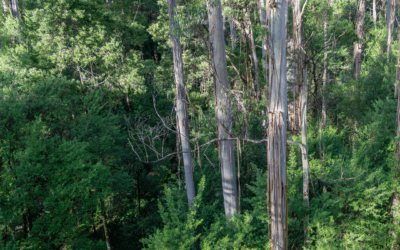
EPBC reform package – the State and Territory Conservation Council’s call to strengthen nature protection
This is a critical time for nature in Australia. Right now the Federal Parliament are debating changes to the Environment Protection and Biodiversity Conservation Act (EPBC) that will shape how we manage our environment for years to come. This is a huge opportunity to...

Federal Environment Law Reform Package – Our chance to shape it
This week we joined 130 environment and justice advocacy groups to sign a joint statement, created by the Lock The Gate Alliance to urgently call on the Australian Parliament to reject the Albanese government’s proposed changes to national environment laws. The...
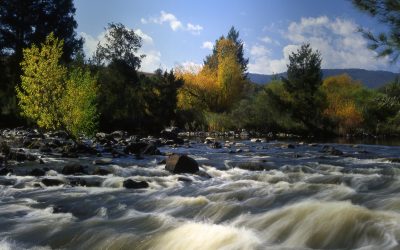
Water Governance In The ACT (and NSW)
The ACT Catchment Strategy Meeting took place on the 29th of August and brought together stakeholders who work within the catchment to review the updated Strategy ACT Catchment Strategy Guide. The ACT Catchment Strategy outlines goals to guide stakeholders in their...
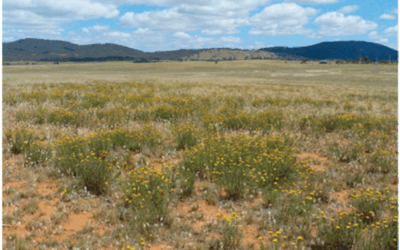
The New Nature Conservation Strategy will be an opportunity to fix Canberra’s biodiversity crisis
Canberrans love our natural environment. We want to protect our bush capital and make sure everyone can enjoy a healthy and thriving environment. We value the forests that dominate the mountains in the southern ACT. In the north, we value the grassy woodlands on the...
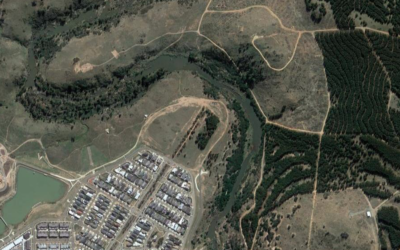
A huge win for Coombs Peninsula, over ten years in the making
On the 14th of May, a resolution was passed in the ACT Legislative Assembly to protect the Coombs Peninsula from urban development in the future. This resolution marks an over decade-long struggle to guarantee a level of protection for Coombs Peninsula that is...

The Conservation Council writes to the Ministers regarding the Western Edge Investigation Area
Today, the Conservation Council ACT Region has formally requested the ACT Government commit to the following asks of the "Save our Western Edge!" campaign: Keep the Western Edge outside of the to-be-set ACT urban boundary Take the Western Edge out of the ACT...